Mandela Day Is One Day. Compassion Should Last All Year.
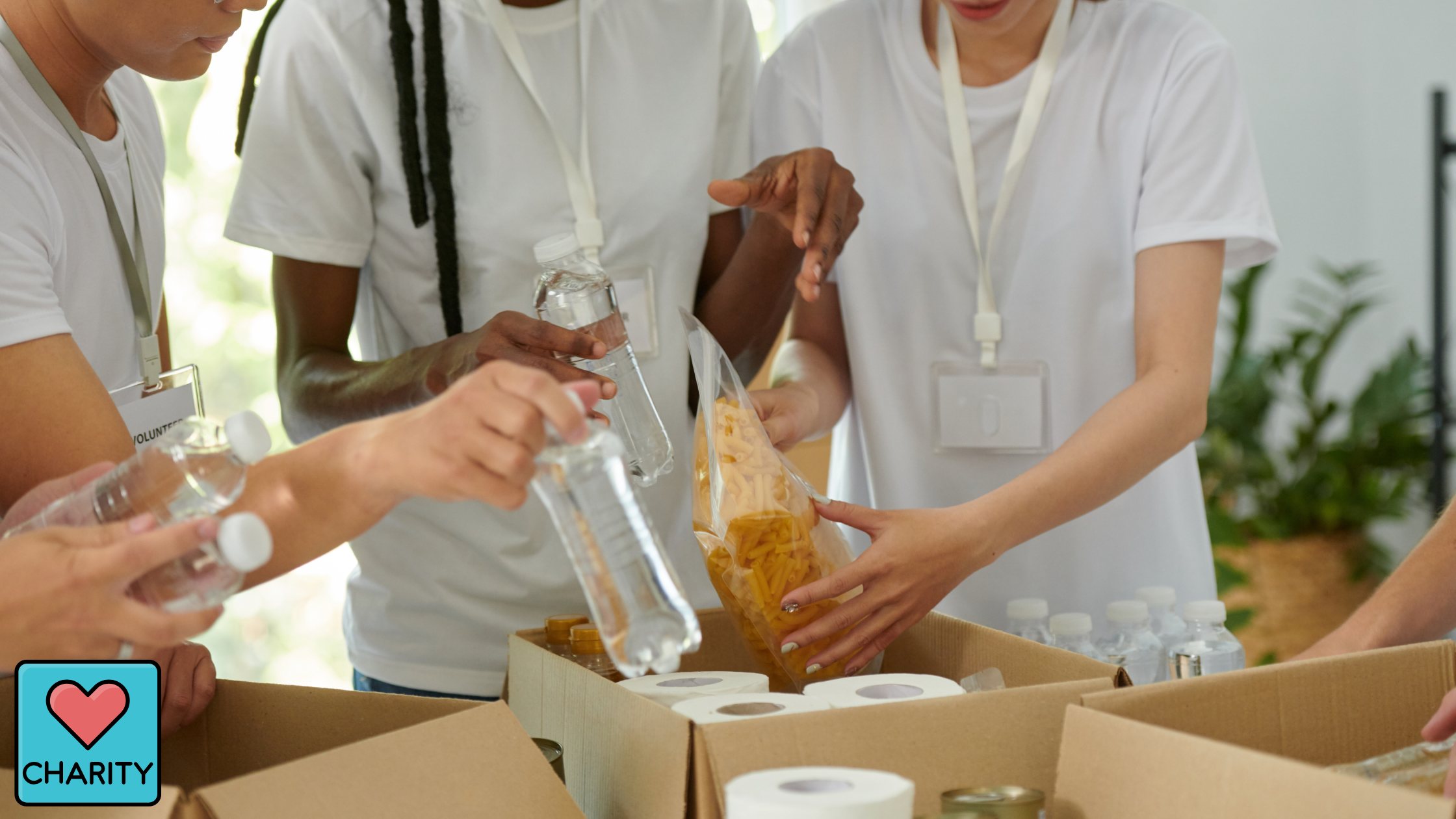
Every July, South Africans come together to celebrate Mandela Day by giving 67 minutes of their time to help others. Schools organise food drives, businesses paint classrooms, families donate clothing, and social media fills with photos of people making a difference.
It is a beautiful tradition.
But it also raises an important question:
What happens on the other 364 days of the year?
The needs facing charities, community organisations and vulnerable people don’t disappear when Mandela Month ends. Hunger doesn’t take a holiday. Shelters still need supplies. Animal rescues still need food. Children’s homes still need volunteers. Elderly people still need companionship.
Mandela Day should be the reminder, not the only occasion, to care.
Why Charities Exist in the First Place
Most charities begin because someone notices a problem and decides they can no longer ignore it.
Perhaps it’s a child who goes to bed hungry.
A family struggling after losing everything.
An abandoned animal.
An elderly neighbour living alone.
Or a community without access to basic necessities.
Behind almost every registered charity is one person who decided that waiting for someone else to act wasn’t good enough.
Many organisations rely almost entirely on donations and volunteers to continue their work. While tax incentives, Section 18A certificates and corporate CSI programmes certainly help encourage giving, they should never become the primary reason people choose to make a difference.
The greatest acts of generosity have always started with compassion, not paperwork.

Why People Volunteer
People volunteer for many different reasons, and not all of them are what you’d expect.
Some have extra time and want to use it meaningfully.
Others simply enjoy spending time with people who share their values.
For some, volunteering provides purpose after retirement.
Students often volunteer as part of school or university programmes.
Mental health professionals sometimes recommend volunteering because helping others can improve wellbeing and reduce feelings of isolation.
Then there are the wonderfully honest reasons.
A charity shop manager once shared the story of an 84-year-old volunteer who faithfully arrived every week to help.
When asked why she volunteered despite the physical work involved, she smiled and replied:
“My husband retired… and I needed somewhere to escape to for a few hours!”
Humour aside, her story highlights something important: volunteering often benefits the volunteer just as much as the organisation.
Why Does Giving Peak During Mandela Month?
Every July, charitable giving seems to increase dramatically.
There are many reasons for this:
- Media attention creates awareness.
- Businesses organise Corporate Social Investment (CSI) initiatives.
- Schools encourage learners to participate.
- Friends, colleagues and communities inspire one another.
- People finally make time to do something they’ve been meaning to do.
All of this is positive.
The challenge is that many organisations experience a flood of donations in July, followed by months of very little support.
For charities trying to budget, feed people or care for vulnerable communities every single day, consistency is often more valuable than one large annual donation.
Why More People Don’t Get Involved
It’s easy to assume people simply don’t care.
The truth is usually more complicated.
Many people are overwhelmed by rising living costs, demanding jobs and family responsibilities.
Others don’t know where to start.
Some feel their contribution would be too small to matter.
And yes—there are people who simply choose not to get involved.
One observation that often rings true is this:
When people don’t have a personal connection to a cause, it’s easy to look the other way.
Out of sight often becomes out of mind.
Yet every charity started because someone refused to ignore what others couldn’t see.
Giving Isn’t Only About Money
One of the biggest misconceptions is that only wealthy people can make a difference.
In reality, some of the most generous people give from very little.
Meanwhile, many people with significant financial means choose not to contribute at all.
Generosity has never been measured by the size of a bank account.
You can give:
- Your time.
- Your skills.
- Your knowledge.
- Your professional expertise.
- Your network.
- Your encouragement.
- Your resources.
A few hours helping with administration, marketing, bookkeeping or social media can be just as valuable as writing a cheque.
Sometimes your greatest gift isn’t your wallet—it’s your willingness.

Knowing Where to Draw the Line
Helping others is deeply rewarding, but it’s also important to look after yourself.
Emotionally
Working with vulnerable people, animals, children or the elderly can be emotionally demanding.
Compassion fatigue is real.
Supporting others doesn’t mean carrying every burden yourself. Healthy boundaries allow you to continue serving without becoming overwhelmed.
Financially
Give what you can comfortably afford.
Whether it’s money, groceries or supplies, generosity should never place your own family in financial difficulty.
Consistent, sustainable giving is far more effective than one grand gesture that leaves you struggling afterwards.
Teaching the Next Generation
Many South African schools already encourage learners to complete community service.
Some even recognise ongoing volunteer work through awards and honours programmes.
Imagine the long-term impact if every learner grew up understanding that serving others wasn’t an annual event—but simply part of being a responsible citizen.
Children who learn compassion early are more likely to become adults who continue giving throughout their lives.
Before You Give, Ask What Is Needed
One of the biggest mistakes made during corporate charity initiatives is assuming what an organisation needs.
A company may arrive with paintbrushes when the charity urgently needs nappies.
A team may volunteer to build something when the greatest need is administrative assistance.
Or dozens of unwanted items may be donated simply because they were easy to clear out.
The best question you can ask any charity is surprisingly simple:
“What would help you the most right now?”
Listening before giving ensures your contribution creates genuine impact.
Making Mandela’s Legacy Part of Everyday Life
Nelson Mandela inspired the world through decades of service—not one annual event.
Mandela Day reminds us of that legacy, but it shouldn’t be the finish line.
Imagine if every South African gave just one hour a month instead of 67 minutes once a year.
Imagine if every business supported one local charity throughout the year instead of only during July.
Imagine the difference if kindness became a habit instead of a calendar event.
Real change doesn’t happen because of one extraordinary day.
It happens because ordinary people choose, again and again, to care.
Final Thoughts
Mandela Day is a powerful reminder of what we can achieve when we work together.
But our communities need more than a single day of goodwill.
Whether you donate money, volunteer your time, share your skills or simply support a local organisation consistently, your contribution matters.
The question isn’t whether you can change the world overnight.
It’s whether you can make someone else’s tomorrow a little better than today.
A Few Things to Remember
- Mandela Day should inspire year-round generosity, not replace it.
- Every charity begins because someone chose to act.
- Time, skills and kindness are just as valuable as financial donations.
- Sustainable giving has a greater impact than one-off annual gestures.
- Always ask charities what they actually need before offering help.
- Small acts, repeated consistently, create lasting change.
In Summary
Mandela Day encourages South Africans to spend 67 minutes serving others, but meaningful community impact comes from consistent giving throughout the year. Charities rely on ongoing volunteers, donations and professional skills—not just annual campaigns. Whether you contribute time, money or expertise, sustainable generosity creates stronger communities and honours Nelson Mandela’s legacy every day.